wrote about a particularly
sublime moment they had
shared in the mountains of
Lebanon: “We came upon an
Arabian Nights looking
house…. The most beautiful
verdure surrounded the
enchanted spot, …glimpses
of the river and mountains
one caught over and over.”
She may as well have been
describing Olana.
A careful reading of his wife’
s trip diary and the popular
Middle Eastern pattern books
sublime moment they had
shared in the mountains of
Lebanon: “We came upon an
Arabian Nights looking
house…. The most beautiful
verdure surrounded the
enchanted spot, …glimpses
of the river and mountains
one caught over and over.”
She may as well have been
describing Olana.
A careful reading of his wife’
s trip diary and the popular
Middle Eastern pattern books
Isabel and their infant son Frederic Joseph left for an extended tour of Europe and the
Middle East.
It wasn’t long before Church, impressed by the Moorish architecture he saw in Middle
Eastern cities like Beirut, Jerusalem and Damascus, decided to re-conceptualize his
house at Olana. He replaced Hunt with Calvert Vaux and spent the next two years
designing and building a Persian fantasy adapted to American tastes and manners.
Church created Olana in the same way that he painted a work of art: pencil sketches
followed by more finished color sketches. Then, instead of painting the final work of
art, he built it. He also chose and mixed on his pallette the colors for every room, and
designed the exterior and interior stencils. His influence extended to the placement of
the furniture, decorative objects, and paintings. A home, however, is the creation of the
couple who live there and Church often commented that Isabel's "taste in the house is
shown from top to bottom---and her advice was asked about in all."
Construction began in 1870. In the fall of 1872, Church and Isabel and their growing
Middle East.
It wasn’t long before Church, impressed by the Moorish architecture he saw in Middle
Eastern cities like Beirut, Jerusalem and Damascus, decided to re-conceptualize his
house at Olana. He replaced Hunt with Calvert Vaux and spent the next two years
designing and building a Persian fantasy adapted to American tastes and manners.
Church created Olana in the same way that he painted a work of art: pencil sketches
followed by more finished color sketches. Then, instead of painting the final work of
art, he built it. He also chose and mixed on his pallette the colors for every room, and
designed the exterior and interior stencils. His influence extended to the placement of
the furniture, decorative objects, and paintings. A home, however, is the creation of the
couple who live there and Church often commented that Isabel's "taste in the house is
shown from top to bottom---and her advice was asked about in all."
Construction began in 1870. In the fall of 1872, Church and Isabel and their growing

 |  |  |  |
| If you have a picture you'd like us to feature a picture in a future quiz, please email it to us at CFitzp@aol.com. If we use it, you will receive a free analysis of your picture. You will also receive a free Forensic Genealogy CD or a 10% discount towards the purchase of the Forensic Genealogy book. |
| Quiz #176 Results |


 |  |  |  |
| Our first 120 photoquizzes have been retired. The best 30 of the first 60 appear on our 30 Best PhotoQuizzes Vol I CD. The best 30 of Quizzes #61-#120 will appear on our 30 Best PhotoQuizzes Vol II CD Answers to Quizzes #121 and Later: |
| ********** |
| Click here to see results of 5th occasional photoquiz survey. |
| Click here to see results of 5th occasional photoquiz survey. |
| Quiz #176 - September 21, 2008 |
| ********** |
| He called his home "the center of the world" and above the door to the house is Arabic script that says "welcome". 1. Who is he? 2. What is the name of his house and where is it located? |
| ********** |

| Thanks to Jim Kiser for suggesting this quiz. |


| If you enjoy our quizzes, don't forget to order our books! Click here. |

| To see a video montage of Frederick E. Church's landscapes accompanied by Aaron Copeland's composition Appalachian Spring, click here. |
| Frederick Edwin Church May 4, 1826 - April 7, 1900 http://en.wikipedia.org/wiki/Frederic_Edwin_Church http://www.catskillmtn.org/publications/articles/2004-11-hudson.html http://www.hvnet.com/houses/olana/index.htm |
Frederic Edwin Church (May 4, 1826 – April 7, 1900)
was an American landscape painter born in Hartford,
Connecticut. He was a central figure in the Hudson River
School of American landscape painters. While
committed to the natural sciences, he was "always
concerned with including a spiritual dimension in his
works".
The family wealth came from Church's father, Joseph
Church, a silversmith and watchmaker in Hartford,
Connecticut.(Joseph subsequently also became an
official and a director of The Aetna Life Insurance
Company) Joseph, in turn, was the son of Samuel
Church, who founded the first paper mill in Lee,
Massachusetts in the Berkshires, and this allowed him
(Frederic) to pursue his interest in art from a very early
age. At eighteen years of age, Church became the pupil
was an American landscape painter born in Hartford,
Connecticut. He was a central figure in the Hudson River
School of American landscape painters. While
committed to the natural sciences, he was "always
concerned with including a spiritual dimension in his
works".
The family wealth came from Church's father, Joseph
Church, a silversmith and watchmaker in Hartford,
Connecticut.(Joseph subsequently also became an
official and a director of The Aetna Life Insurance
Company) Joseph, in turn, was the son of Samuel
Church, who founded the first paper mill in Lee,
Massachusetts in the Berkshires, and this allowed him
(Frederic) to pursue his interest in art from a very early
age. At eighteen years of age, Church became the pupil
| ********** |
| Congratulations to Our Winners! Mr. Rick's Quiz Angels Jina Yi and Ashley Hicks Do It Again! Another home run for the Angels! Diane Burkett Tom Pincince Gina Hudson Claudio Trapote Justin Campoli Janessa Roberts Rex Cornelius Kelly Fetherlin Michael P. Cooney Lynden Cline Carolyn Cornelius Janessa Roberts John and Susie Roberts Sandy Thompson Lois Carr Maureen O'Connor Debbie Sterbinsky Dan Schlesinger Lydia Sittman Mike Dalton Carl Blessing Barbara Battles Judy Pfaff Andy Hoh Elaine C. Hebert Dave Doucette Stan Read Carol Darrow Karen Kay Bunting Anna Farris Sheri Fenley Sharon Martin Mike Swierczewski Fred Stuart Mary South Beth Long Tamura Jones Gary Sterne Audrey Speelman Marilyn Hamill Betty Chambers Lee Dowdy Mary South Rhonda Hensley Tom Tullis Gina Hudson Robert E. McKenna Evan Hindman Mick Reed Milene Rawlinson Carol LeMieux |
| Answers: 1. Frederick E. Church 2. Olana, overlooking the Hudson River in upstate New York 5720 State Route 9G Hudson, New York 12534 |


| ********** |
| by James Anthony Ryan, former Site Manager of Olana State Historic Site 103 p., soft cover, ill. Purchase from Olana Museum Store Click here. |
| Frederick Edwin Church http://upload.wikimedia.org |
At the height of his career—and when he started to be bothered by rheumatism in his
right arm—Church began a conscientious creation of his country estate, and treated it
as one of his works of art on canvas. Searching for the peace and inspiration of the
insular rural life, Church abandoned the social circles of New York City, and spent
nearly half of his life on perfecting his dream, the living, perpetual canvas of Olana.
"Olana" is Arabic for "Our place on high." The name comes from Strabo’s Geography,
in which the Greek historian named a fortified treasure house on the Araxes River that
flows from Turkey into the Caspian Sea.(Today the river is known as the Aras.)
Located in some 260 acres of valley, woodland and meadows, Olana is a multi-
dimensional work of art, the creation of a prolific artist, and his final and singularly
most important masterpiece.
There is nothing in Church’s papers to suggest why he chose the name, but there is no
doubt the place recreated a certain fantasy for both Church and his wife, Isabel. She
right arm—Church began a conscientious creation of his country estate, and treated it
as one of his works of art on canvas. Searching for the peace and inspiration of the
insular rural life, Church abandoned the social circles of New York City, and spent
nearly half of his life on perfecting his dream, the living, perpetual canvas of Olana.
"Olana" is Arabic for "Our place on high." The name comes from Strabo’s Geography,
in which the Greek historian named a fortified treasure house on the Araxes River that
flows from Turkey into the Caspian Sea.(Today the river is known as the Aras.)
Located in some 260 acres of valley, woodland and meadows, Olana is a multi-
dimensional work of art, the creation of a prolific artist, and his final and singularly
most important masterpiece.
There is nothing in Church’s papers to suggest why he chose the name, but there is no
doubt the place recreated a certain fantasy for both Church and his wife, Isabel. She
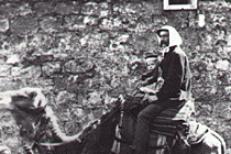
of Thomas Cole in Catskill, New York after Daniel Wadsworth, a family neighbor and
founder of the Wadsworth Atheneum, introduced the two. In May 1848, Church was
elected as the youngest Associate of the National Academy of Design, a distinction that
remains to this day. He was promoted to Academician the following year. Soon after,
he sold his first major work to Hartford's Wadsworth Atheneum.
Church settled in New York where he taught his first pupil, William James Stillman.
From the spring to autumn each year Church would travel, often by foot, sketching. He
returned each winter to paint and to sell his work.
Between 1853 and 1857, Church traveled in South America, financed by businessman
Cyrus West Field, who wished to use Church's paintings to lure investors to his South
American ventures. Two years after returning to America, Church painted The Heart of
the Andes (1859), now in the collection of the Metropolitan Museum of Art, at the
Tenth Street Studio in New York City. It is more than five feet high and nearly ten feet
in length (167.9 × 302.9 cm). The work was an instant success. Church eventually
sold it for $10,000, at that time the highest price ever paid for a work by a living
American artist.
founder of the Wadsworth Atheneum, introduced the two. In May 1848, Church was
elected as the youngest Associate of the National Academy of Design, a distinction that
remains to this day. He was promoted to Academician the following year. Soon after,
he sold his first major work to Hartford's Wadsworth Atheneum.
Church settled in New York where he taught his first pupil, William James Stillman.
From the spring to autumn each year Church would travel, often by foot, sketching. He
returned each winter to paint and to sell his work.
Between 1853 and 1857, Church traveled in South America, financed by businessman
Cyrus West Field, who wished to use Church's paintings to lure investors to his South
American ventures. Two years after returning to America, Church painted The Heart of
the Andes (1859), now in the collection of the Metropolitan Museum of Art, at the
Tenth Street Studio in New York City. It is more than five feet high and nearly ten feet
in length (167.9 × 302.9 cm). The work was an instant success. Church eventually
sold it for $10,000, at that time the highest price ever paid for a work by a living
American artist.
| Comments from Our Readers |
I could answer this one without even looking it up; it is one of my favorite places on
the east coast! This is Olana, home to Frederic Church and his family, located on the
eastern bank of the Hudson River near Hudson, NY. Church was the father of the
"Hudson River School" of artists who were known for their landscapes. This is the
first truly American School of Art and Church's large and incredibly detailed paintings
can be found in most major art museums featuring American artists of the 19th
century. Beautiful shot of the house; it is amazing! Barbara Battles
*****
What a wonderful house. How peaceful and secure. I spent several hours on Yahoo
trying to find even a hint about this. I was ready to give up and miss this quiz, but then
I went to Google and got it in one try. I never realized the difference between the 2
before. Gina Hudson
*****
I love this guy; he even touched up some old Master's paintings to make them look like
he wanted them in his home. Two weeks ago I visited the Frank Lloyd Wright
Dana-Thomas home in Springfield, Ill. This weekend I finished the book "Loving
Frank" by Nancy Horan. Although it is a fictional account of the romance between
Frank and his lover Mamah Borthwick Cheney, there is a lot of Frank's architectural
ideas in the book.
My thoughts have certainly been directed to great American art and architecture. Even
though Church took a different way with his home and art, he certainly brought the
views of the countryside into his home as did Frank. http://www.kaiku.com/olana.html
Wow, these two great houses are on the same web page in Bob Villa's guide to Historic
Homes of America: http://www.bobvila.com/BVTV/AE/America.html.
Judy Pfaff
*****
Interesting story--I love the idea of one's home being an artistic obsession. Wanted to
point out that, according to the following website, the sign above the door reads "hello
and welcome" in Arabic, not just "welcome": http://www.kaiku.com/olana.html. Of
course the same website names Calvert Vaux as the creator of Central Park without
mentioning his partner, Frederick Law Olmstead, so it may not be a reliable source of
information after all. Justin Campoli
*****
Very interesting, again I learn something that I do not have idea before.
Claudio Trapote
*****
I love these quizzes because it seems like I always learn something new. I think that the
area along the Hudson between NYC and Albany is one of the most beautiful parts of
this country. I have been there on a number of occasions to enjoy the views. I have
visited West Point and several mansions, including Martin Van Buren's home at
Kinderhook. But I did not know about Olana until this quiz. I'm trying to work a quick
trip into my fall schedule when the leaves are changing. Carolyn Cornelius
*****
Yes, this quiz was interesting. I had never heard about Frederic Church, and the style
of the house threw me off. I actually started looking at what the astronomer Tycho
Brahe had built--I knew he had built two places called Uranisborg and Starsomething
something--both in Danish, but I finally found our friend Frederic. Olana is beautiful. I
had a lot of fun trying to locate it on Google Earth. Janessa Roberts
*****
After googling numerous variations of "mansion" unsuccessfully, I finally tried
searching images for the phrase,"above the door 'Welcome' in arabic" and a flood of
websites for Olana popped up. I still haven't figured that out. Dan Schlesinger
*****
I love his painting "El Rio de Luz" - absolutely beautiful. Lee Dowdy
*****
Wow, what cool architecture and to think I was close to this place last June and never
knew about it. Rhonda Hensley
*****
the east coast! This is Olana, home to Frederic Church and his family, located on the
eastern bank of the Hudson River near Hudson, NY. Church was the father of the
"Hudson River School" of artists who were known for their landscapes. This is the
first truly American School of Art and Church's large and incredibly detailed paintings
can be found in most major art museums featuring American artists of the 19th
century. Beautiful shot of the house; it is amazing! Barbara Battles
*****
What a wonderful house. How peaceful and secure. I spent several hours on Yahoo
trying to find even a hint about this. I was ready to give up and miss this quiz, but then
I went to Google and got it in one try. I never realized the difference between the 2
before. Gina Hudson
*****
I love this guy; he even touched up some old Master's paintings to make them look like
he wanted them in his home. Two weeks ago I visited the Frank Lloyd Wright
Dana-Thomas home in Springfield, Ill. This weekend I finished the book "Loving
Frank" by Nancy Horan. Although it is a fictional account of the romance between
Frank and his lover Mamah Borthwick Cheney, there is a lot of Frank's architectural
ideas in the book.
My thoughts have certainly been directed to great American art and architecture. Even
though Church took a different way with his home and art, he certainly brought the
views of the countryside into his home as did Frank. http://www.kaiku.com/olana.html
Wow, these two great houses are on the same web page in Bob Villa's guide to Historic
Homes of America: http://www.bobvila.com/BVTV/AE/America.html.
Judy Pfaff
*****
Interesting story--I love the idea of one's home being an artistic obsession. Wanted to
point out that, according to the following website, the sign above the door reads "hello
and welcome" in Arabic, not just "welcome": http://www.kaiku.com/olana.html. Of
course the same website names Calvert Vaux as the creator of Central Park without
mentioning his partner, Frederick Law Olmstead, so it may not be a reliable source of
information after all. Justin Campoli
*****
Very interesting, again I learn something that I do not have idea before.
Claudio Trapote
*****
I love these quizzes because it seems like I always learn something new. I think that the
area along the Hudson between NYC and Albany is one of the most beautiful parts of
this country. I have been there on a number of occasions to enjoy the views. I have
visited West Point and several mansions, including Martin Van Buren's home at
Kinderhook. But I did not know about Olana until this quiz. I'm trying to work a quick
trip into my fall schedule when the leaves are changing. Carolyn Cornelius
*****
Yes, this quiz was interesting. I had never heard about Frederic Church, and the style
of the house threw me off. I actually started looking at what the astronomer Tycho
Brahe had built--I knew he had built two places called Uranisborg and Starsomething
something--both in Danish, but I finally found our friend Frederic. Olana is beautiful. I
had a lot of fun trying to locate it on Google Earth. Janessa Roberts
*****
After googling numerous variations of "mansion" unsuccessfully, I finally tried
searching images for the phrase,"above the door 'Welcome' in arabic" and a flood of
websites for Olana popped up. I still haven't figured that out. Dan Schlesinger
*****
I love his painting "El Rio de Luz" - absolutely beautiful. Lee Dowdy
*****
Wow, what cool architecture and to think I was close to this place last June and never
knew about it. Rhonda Hensley
*****

| East Facade with the Bell Tower http://olana.org/ |

| In the beautiful hills of Upstate New York, There is a magnificent house, Olana by, name. Artist Frederic C. Church built this structure, That has gained both design and artistic fame. Overlooking the beautiful rustic climes, Of the Hudson River Valley scene, The choice of the location for this building Is truly something for all to be seen. Robert Edward McKenna Quiz Poet Laureate |
| Heart of the Andes Frederick E. Church |
| For a partial list of Frederick E. Church's works, Click here. |
At the exhibition of Heart of the Andes, Church met Isabel Carnes (1836-1899). They
married in June, 1860. In order to secure privacy to paint and to rear a family, Church
returned to the Catskills and bought a 126-acre farm south of Hudson. His artistic eye
pronounced "the views [from Olana] most beautiful and wonderful." Architect Richard
Morris Hunt designed a rural cottage for the couple in which he could raise a family.
Called “Cosy Cottage,” the house was occupied in the early summer of 1861. Halfway
up the hillside Church built a studio where he worked on all his major paintings.
Anticipating the purchase of land at the crest of the hill north of his farm on which he
would build a home, and believing the landscape artist to be the premiere landscape
designer, Church began to improve his farm by laying out roads, planting thousands of
trees, and dredging a marsh to create a reflecting pond.
married in June, 1860. In order to secure privacy to paint and to rear a family, Church
returned to the Catskills and bought a 126-acre farm south of Hudson. His artistic eye
pronounced "the views [from Olana] most beautiful and wonderful." Architect Richard
Morris Hunt designed a rural cottage for the couple in which he could raise a family.
Called “Cosy Cottage,” the house was occupied in the early summer of 1861. Halfway
up the hillside Church built a studio where he worked on all his major paintings.
Anticipating the purchase of land at the crest of the hill north of his farm on which he
would build a home, and believing the landscape artist to be the premiere landscape
designer, Church began to improve his farm by laying out roads, planting thousands of
trees, and dredging a marsh to create a reflecting pond.
Both Church's first son and daughter
died in March, 1865 of diphtheria,
but he and his wife started a new
family with the birth of Frederic
Joseph in 1866. When he and his
wife had a family of four children,
they began to travel together. In
1867 they visited Europe and the
Middle East, allowing Church to
return to painting larger works.
In 1867 Church purchased an
additional 18 acres at the top of the
hill overlooking his property. After
engaging Hunt again to build them a
French manor on the hill, he and


family of children moved into the second
story of Olana while Church continued to
decorate the ground floor. He designed
stencils and chose the colors with which to
decorate the walls and ceilings. He designed
furniture, which he then mixed with pieces
inherited from his father or purchased in New
York City or abroad. And he filled the house
with thousands of objects meant to direct the
attention to the great civilizations of the past.
story of Olana while Church continued to
decorate the ground floor. He designed
stencils and chose the colors with which to
decorate the walls and ceilings. He designed
furniture, which he then mixed with pieces
inherited from his father or purchased in New
York City or abroad. And he filled the house
with thousands of objects meant to direct the
attention to the great civilizations of the past.
By the late 1870s, severe rheumatism had largely curtailed his career just as the
popularity of his style of painting was being supplanted. However, he continued to
sketch regularly and to paint when he was able.
Church continued to work on the house for much of the rest of his life. In 1885 he
began repairing and improving the house, adding a studio wing and observatory three
years later. By 1891, the house was essentially complete, looking much as it does today.
In order to spend the winters in warmer climates that provided relief from his arthritis
and because of Isabel's growing frailty, Church hired his youngest son, Louis Palmer
Church, as estate manager in 1891. Although over the next several years Church
popularity of his style of painting was being supplanted. However, he continued to
sketch regularly and to paint when he was able.
Church continued to work on the house for much of the rest of his life. In 1885 he
began repairing and improving the house, adding a studio wing and observatory three
years later. By 1891, the house was essentially complete, looking much as it does today.
In order to spend the winters in warmer climates that provided relief from his arthritis
and because of Isabel's growing frailty, Church hired his youngest son, Louis Palmer
Church, as estate manager in 1891. Although over the next several years Church
continued to sketch and to augment the furnishings and
art in the interior of Olana, he slowly withdrew his
attention from the property's management to focus on his
and Isabel's failing health.
Church showed his works at annual exhibitions of the
National Academy of Design, the American Art Union,
and at the Boston Art Club, alongside Thomas Cole, Asher
Brown Durand, John F. Kensett, and Jasper F. Cropsey.
Critics and collectors appreciated the new art of landscape
on display, and its progenitors came to be calle the hudson
River School.
Church traveled widely throughout his career, using his
sketches of New England, South America, Europe, the
art in the interior of Olana, he slowly withdrew his
attention from the property's management to focus on his
and Isabel's failing health.
Church showed his works at annual exhibitions of the
National Academy of Design, the American Art Union,
and at the Boston Art Club, alongside Thomas Cole, Asher
Brown Durand, John F. Kensett, and Jasper F. Cropsey.
Critics and collectors appreciated the new art of landscape
on display, and its progenitors came to be calle the hudson
River School.
Church traveled widely throughout his career, using his
sketches of New England, South America, Europe, the
Artic, the Middle East, and North Africa to create the transcendent landscapes that
brought him fame, respect, and wealth. Church spent most of his last twenty years at
Olana, finally dying in New York City in 1900.
brought him fame, respect, and wealth. Church spent most of his last twenty years at
Olana, finally dying in New York City in 1900.

| Olana |
| ********** |
of the time helps a visitor to Olana see precisely how Church’s design choices were
made and from where they came. For example, he chose some interior colors to evoke
the ceiling of a specific Damascus home, while some masonry motifs he lifted from
designs in his library’s books, which themselves were copied from known buildings.
Olana’s furnishings and carpets, seemingly thrown helter-skelter throughout the house,
evoked his desert camps. “I for one was fascinated with tent life,” wrote his wife,
probably echoing Church’s feelings as well. He plotted the curves of Olana’s
carriageways so as to capture the same vistas of water and mountains he remembered
seeing on the Barada River that flows through the Anti-Lebanon Mountains. That he
should have sent home from Syria three white donkeys to pull a cart from which he
could take in these views only confirms his eagerness to relive that experience every
day.
Several miles of carriage roads wind up to Olana, never loosing sight of it, passing a
lake which was excavated by 1875. The lake was to serve a manifold purpose: to
provide water for the farm and the livestock, ice for winter sports and the kitchen, and
to add to the overall design of the estate. "There is nothing like water to provide more
beauty, variety and interest," Church explained. "About an hour this side of Albany
[New York] is the Center of the World," claimed Church, adding, "I own it."
When Frederic Church died in 1900, Olana was willed to his youngest son Louis
Palmer Church. The following year Louis married Sarah Baker Good (known as
“Sally”) and the two of them moved to Olana. After Louis's death in 1943, Sally stayed
on at Olana until her death in 1964 at the age of 96.
Throughout her life, Sally had insisted that the decorative scheme at Olana remain
unchanged. Upon her death, her nephew Charles Lark, Jr. inherited the estate and
undertook to have Sotheby's auction the furnishings that had been collected by Church
over so many years. David Huntington, learning of the upcoming auction, convinced
Lark to allow time for funds to be raised with which to purchase the estate.
Olana Preservation was formed to raise funds for the purchase of Olana. In a race with
made and from where they came. For example, he chose some interior colors to evoke
the ceiling of a specific Damascus home, while some masonry motifs he lifted from
designs in his library’s books, which themselves were copied from known buildings.
Olana’s furnishings and carpets, seemingly thrown helter-skelter throughout the house,
evoked his desert camps. “I for one was fascinated with tent life,” wrote his wife,
probably echoing Church’s feelings as well. He plotted the curves of Olana’s
carriageways so as to capture the same vistas of water and mountains he remembered
seeing on the Barada River that flows through the Anti-Lebanon Mountains. That he
should have sent home from Syria three white donkeys to pull a cart from which he
could take in these views only confirms his eagerness to relive that experience every
day.
Several miles of carriage roads wind up to Olana, never loosing sight of it, passing a
lake which was excavated by 1875. The lake was to serve a manifold purpose: to
provide water for the farm and the livestock, ice for winter sports and the kitchen, and
to add to the overall design of the estate. "There is nothing like water to provide more
beauty, variety and interest," Church explained. "About an hour this side of Albany
[New York] is the Center of the World," claimed Church, adding, "I own it."
When Frederic Church died in 1900, Olana was willed to his youngest son Louis
Palmer Church. The following year Louis married Sarah Baker Good (known as
“Sally”) and the two of them moved to Olana. After Louis's death in 1943, Sally stayed
on at Olana until her death in 1964 at the age of 96.
Throughout her life, Sally had insisted that the decorative scheme at Olana remain
unchanged. Upon her death, her nephew Charles Lark, Jr. inherited the estate and
undertook to have Sotheby's auction the furnishings that had been collected by Church
over so many years. David Huntington, learning of the upcoming auction, convinced
Lark to allow time for funds to be raised with which to purchase the estate.
Olana Preservation was formed to raise funds for the purchase of Olana. In a race with

time, Olana
Preservation solicited
donations even as
Sotheby’s tagged the
furniture with lot
numbers for the
upcoming auction.
At the last moment,
with help from the
State of New York,
the property was
purchased in 1966
and the furnishings
Preservation solicited
donations even as
Sotheby’s tagged the
furniture with lot
numbers for the
upcoming auction.
At the last moment,
with help from the
State of New York,
the property was
purchased in 1966
and the furnishings
saved with the house, still looking much the same as when Church had lived there
almost a century before.
The contents of the house today, accumulated by Church over a 30-year period,
include furniture, tapestries, rugs, bronzes, paintings, sculptures, and the myriad
objects collected by Church to represent the major civilizations and religions of the
world. The color scheme and stenciling that Church designed in 1870 remain, and from
Church’s studio the visitor can still see the vistas recorded in Church’s paintings.
Frederic Church constructed the landscape at Olana in the same manner that he
constructed landscapes in his paintings: with an eye to composition, balance and fidelity
to nature. Although Olana was a working farm, expected to turn a profit, Church also
wanted the property to be pleasing to look at. He used the Hudson River and mountains
in the distance as a background to a composition with carefully planned foreground and
almost a century before.
The contents of the house today, accumulated by Church over a 30-year period,
include furniture, tapestries, rugs, bronzes, paintings, sculptures, and the myriad
objects collected by Church to represent the major civilizations and religions of the
world. The color scheme and stenciling that Church designed in 1870 remain, and from
Church’s studio the visitor can still see the vistas recorded in Church’s paintings.
Frederic Church constructed the landscape at Olana in the same manner that he
constructed landscapes in his paintings: with an eye to composition, balance and fidelity
to nature. Although Olana was a working farm, expected to turn a profit, Church also
wanted the property to be pleasing to look at. He used the Hudson River and mountains
in the distance as a background to a composition with carefully planned foreground and

middle ground
elements.
The farm elements
of Olana consisted
of orchards,
vegetable gardens,
fields of corn, hay,
and rye, and
livestock with their
attendant buildings.
To this Church
added thousands of
trees set out singly
and in groups on the
elements.
The farm elements
of Olana consisted
of orchards,
vegetable gardens,
fields of corn, hay,
and rye, and
livestock with their
attendant buildings.
To this Church
added thousands of
trees set out singly
and in groups on the
northern and southern slopes of the hill on which the house stands. A swampy stream
at the bottom of the hill was turned into a lake whose shoreline carefully echoes the
sweep of the Hudson River below.
Church planned miles of roads around the property, carefully designing the views that
open up as the roads rise, fall, and turn. He screened outbuildings from sight with a
buffer of trees and used the forests he planted as a design element in the view from the
tower at Olana.
Today the grounds at Olana support a plethora of birds and wildlife and offer
opportunities for strolls and picnics.
http://www.saudiaramcoworld.com/issue/200506/a.treasure.house.on.the.hudson.htm
http://www.catskillmtn.org/publications/articles/2004-11-hudson.html
at the bottom of the hill was turned into a lake whose shoreline carefully echoes the
sweep of the Hudson River below.
Church planned miles of roads around the property, carefully designing the views that
open up as the roads rise, fall, and turn. He screened outbuildings from sight with a
buffer of trees and used the forests he planted as a design element in the view from the
tower at Olana.
Today the grounds at Olana support a plethora of birds and wildlife and offer
opportunities for strolls and picnics.
http://www.saudiaramcoworld.com/issue/200506/a.treasure.house.on.the.hudson.htm
http://www.catskillmtn.org/publications/articles/2004-11-hudson.html
| ********** |
| For a video of Olana and its grounds, see http://www.olana.org/index.html |