| Description of Medal |
| Neptune wades ashore, leaving his hippocampus behind, extending key to the sea to a goddess standing among ruins and fire implements who, with fire trumpet in hand, summons the fire department and dispatches a fire-bearing demon to the underworld below. Rv. inscription ENDOWED BY A FUND CONTRIBUTED BY JAMES GORDON BENNETT / PRESENTED / TO / (blank) / IN APPRECIATION OF MERITORIOUS PERFORMANCE / OF DUTY AS A FIREMAN / (blank) / TRUSTEES with wreath incorporating fire trumpet and ax. |
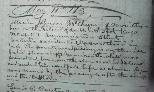
| New York, April 13, 1869 Gentlemen: My father, being desirous of adding an additional competition to the members of the Metropolitan Fire Department, in the discipline, courage and honesty with which their duties are now performed, and which was particularly called to his notice at the fire at his country residence during last September, has directed me to enclose the sum of fifteen hundred dollars, and requests that you will pay five hundred dollars to Messrs. Tiffany & Co., for the die of a medal they are preparing, and use the income of the balance in procuring, annually, a gold metal to be struck from the same, and to be conferred by you and your successors in this trust, upon such members of the Department as you may, in your judgment, consider vest entitled to the reward. Very truly yours, James Gordon Bennett, Jr. ********** New York, April 16, 1869 DEAR SIR:--We have received your note of the thirteenth instant enclosing your check for fifteen hundred dollars, with the request that we should use five hundred dollars of the amount in payment for the die of a medal which you have ordered, and the income of the balance in annually preparing and conferring a gold medal, in the name of your father, on the members of the Fire Department whom we consider to be the most meritorious. Although it will be difficult to make the selection from so much individual merit, as the Department is developing, we accept the trust with a full appreciation of the compliment conferred in our selection as trustees of your fathers' generous endowment, and will cause to be prepared a formal acceptance insuring its perpetuity. We are, very truly, yours, T. BAILEY MYERS JAMES McLEAN ROBERT S. HONE |
| Poster of the Coupe Aeronautique Gordon-Bennett of 1913 |
Bennett cup as a trophy in international yacht races and
similar cups for balloon and airplane races. Educated
mostly in France. In 1869–71 he financed Henry Stanley's
expedition into Africa to find David Livingston, and from
1879 to 1881 he supported the ill-fated expedition of G.
W. De Long to the arctic region. In reporting international
news the Herald scored repeated triumphs.
After 1877, Bennett lived mostly in Paris, directing his
newspapers by cable. With John W. Mackay he organized
(1883) the Commercial Cable Co to handle European
dispatches. He established London and Paris daily editions
of the Herald; the Paris paper was an unprofitable, sincere
attempt to promote international goodwill.
You can hear the words “GORDON BENNETT”
commonly used today as an exclamation of disbelief
throughout England and especially London. The slang
term derives from the disbelief expressed at our hero’s
lavish stunts. As a newspaper editor Bennett is
remembered for sending Stanley on his successful
mission into deepest, darkest Africa to look for Dr.
Livingstone. He was also infamous for his bad manners
when, on entering a restaurant he was reported to have
pulled the table cloths and contents off every table before
producing a wad of cash to pay for the damage. James
Gordon Bennett is further believed to have frittered away
$40 million dollars by the time he died in 1918.
similar cups for balloon and airplane races. Educated
mostly in France. In 1869–71 he financed Henry Stanley's
expedition into Africa to find David Livingston, and from
1879 to 1881 he supported the ill-fated expedition of G.
W. De Long to the arctic region. In reporting international
news the Herald scored repeated triumphs.
After 1877, Bennett lived mostly in Paris, directing his
newspapers by cable. With John W. Mackay he organized
(1883) the Commercial Cable Co to handle European
dispatches. He established London and Paris daily editions
of the Herald; the Paris paper was an unprofitable, sincere
attempt to promote international goodwill.
You can hear the words “GORDON BENNETT”
commonly used today as an exclamation of disbelief
throughout England and especially London. The slang
term derives from the disbelief expressed at our hero’s
lavish stunts. As a newspaper editor Bennett is
remembered for sending Stanley on his successful
mission into deepest, darkest Africa to look for Dr.
Livingstone. He was also infamous for his bad manners
when, on entering a restaurant he was reported to have
pulled the table cloths and contents off every table before
producing a wad of cash to pay for the damage. James
Gordon Bennett is further believed to have frittered away
$40 million dollars by the time he died in 1918.
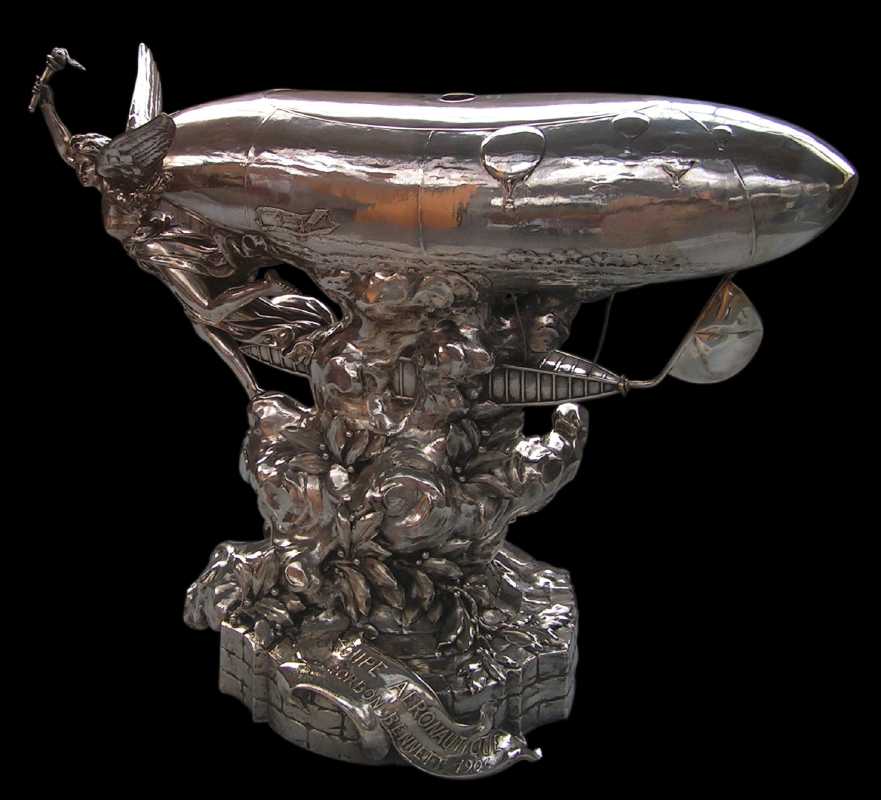
| The 1906 Gordon Bennett Cup |
1900 he sponsored the first-ever international motoring competition, the spectacular
Gordon Bennett Cup Race which was held in Ireland on July 2nd 1903. A precursor to
modern Grand Prix motor racing today, the Irish Gordon Bennett Cup Race was the
first ever international race held on a closed circuit.
“With the institution of a challenge cup, manufacturers would have to fight to uphold
their reputation…” Gordon Bennett
Bennett was fond of all sports, especially of yachting, and established the James Gordon
Gordon Bennett Cup Race which was held in Ireland on July 2nd 1903. A precursor to
modern Grand Prix motor racing today, the Irish Gordon Bennett Cup Race was the
first ever international race held on a closed circuit.
“With the institution of a challenge cup, manufacturers would have to fight to uphold
their reputation…” Gordon Bennett
Bennett was fond of all sports, especially of yachting, and established the James Gordon
The son of a New York media baron, James Gordon Bennett
was a flamboyant character whose love of sport and all-round
derring-do was reflected in the six annual, white-knuckle car
races that bore his name. Born into the upper echelons of New
York society, Bennett loved nothing more than a crazy wager
or a madcap dash to settle a score.
At 26, he took control of his father’s news empire, boosting
sales at the New York Herald with a number of lavish publicity
stunts. Unfortunately for New York, Bennett’s rapacious
playboy nature and extravagant spending habits led to him
scandalizing many in “high society”.
This notoriety forced him to relocate in Europe and it was in
Paris that James Gordon Bennett developed an all-consuming
passion for the newly emerging technology of the motorcar. In
was a flamboyant character whose love of sport and all-round
derring-do was reflected in the six annual, white-knuckle car
races that bore his name. Born into the upper echelons of New
York society, Bennett loved nothing more than a crazy wager
or a madcap dash to settle a score.
At 26, he took control of his father’s news empire, boosting
sales at the New York Herald with a number of lavish publicity
stunts. Unfortunately for New York, Bennett’s rapacious
playboy nature and extravagant spending habits led to him
scandalizing many in “high society”.
This notoriety forced him to relocate in Europe and it was in
Paris that James Gordon Bennett developed an all-consuming
passion for the newly emerging technology of the motorcar. In
| The 1869 James Gordon Bennett New York Fire Department http://www.coinarchives.com/w/lotviewer.php?LotID=572785&AucID=418&Lot=7152 |
| ********** |
| ********** |
A puzzling British exclamation.
It’s getting passé now, but it was common in the last decades of the twentieth century
to hear British speakers say Gordon Bennett! when they wished to express surprise,
incredulity, or exasperation. “Gordon Bennett — he couldn’t even keep himself sane, let
alone anyone else,” as a character says in Red Dwarf by Grant Naylor. The expression
has long puzzled lexicographers.
James Gordon Bennett Jr. inherited his father's talents for journalism and controversy,
not to mention his multi-million dollar estate - and he's the Gordon Bennett that the
phrase refers to. He took over control of the New York Herald in 1866, by which time
he was well into an enthusiastic and hedonist playboy lifestyle, indulging in spending the
family fortune on air and road racing in the USA, England and France.
The curious thing is that though his high-living European heyday was in the first decade
of the twentieth century, the exclamation only began to appear in print much later. It is
now known to have appeared in a 1937 novel, You’re in the Racket, Too, written by a
little-known London-based writer, James Curtis: “Gordon Bennett. He wasn’t half
tired.” Even then, the expression must have been lurking in the spoken language for at
least two decades (Bennett died in 1918) before it was put down on paper.
The next known appearance of the expression is in a 1962 episode of the BBC comedy
Steptoe and Son - The Bird:
Harold: Well that's that then. I said "That's that then".
Albert: What's that then?
Harold: That is! I've finished for the day!
Albert: Have you fed the horse?
Harold: Of course I've fed the horse - I wouldn't have said "That's that then" if I hadn't.
Albert: You wrapped him up?
Harold: Yes I have wrapped him up. Look when I say "That's that then" it means I've
done it all, it means I've finished. Gordon Bennett, if you don't know that after all these
years.
As a spoken slang phrase we might expect that it could have been passed on by word
of mouth for some time, and it is certainly much earlier than 1962. The earliest example
in the Oxford English Dictionary was in a cartoon caption dated 1983.
His strong European connections explain why the exclamation Gordon Bennett should
be known in Britain but not in the country of his birth. The expletive Gordon Bennett
appears to be a minced oath. It is a version of Gor blimey, which is itself a euphemistic
version of God blind me. That, combined with Bennett's famously outrageous lifestyle
and newsworthy stunts, is sufficient to explain why his name was picked out.
There was also an Australian general of the same name, who controversially left
Singapore after the Japanese reached it in 1942, abandoning his men. Some writers
have in the past wondered whether this might have been the real source of the
exclamation, but the discovery of the 1937 citation rules it out, though it might be that
the general’s notoriety gave a fresh impetus to the expletive in Australia.
Gordon Bennett may have had another influence on the language. Until the middle of the
nineteenth century, the given name Gordon was unusual. It turned up mostly as a
family name, originally Scots, deriving ultimately either from the town in Berwickshire
or from a similarly-named place in Normandy (experts disagree). Our Gordon Bennett,
like his father, had it as his middle name, which had probably been bestowed originally
to mark the family name of some relative of influence. The popularity of Gordon as a
given name grew as the nineteenth century waned. It has been suggested that this was
through the influence of Charles George Gordon, Gordon of Khartoum, the soldier of
the British Empire also known as Chinese Gordon, once hugely famous, who died
during the siege of Khartoum in 1885. But could it be that the popularity of the name
was due in part to the publicity given it by Gordon Bennett only a few years later?
It’s getting passé now, but it was common in the last decades of the twentieth century
to hear British speakers say Gordon Bennett! when they wished to express surprise,
incredulity, or exasperation. “Gordon Bennett — he couldn’t even keep himself sane, let
alone anyone else,” as a character says in Red Dwarf by Grant Naylor. The expression
has long puzzled lexicographers.
James Gordon Bennett Jr. inherited his father's talents for journalism and controversy,
not to mention his multi-million dollar estate - and he's the Gordon Bennett that the
phrase refers to. He took over control of the New York Herald in 1866, by which time
he was well into an enthusiastic and hedonist playboy lifestyle, indulging in spending the
family fortune on air and road racing in the USA, England and France.
The curious thing is that though his high-living European heyday was in the first decade
of the twentieth century, the exclamation only began to appear in print much later. It is
now known to have appeared in a 1937 novel, You’re in the Racket, Too, written by a
little-known London-based writer, James Curtis: “Gordon Bennett. He wasn’t half
tired.” Even then, the expression must have been lurking in the spoken language for at
least two decades (Bennett died in 1918) before it was put down on paper.
The next known appearance of the expression is in a 1962 episode of the BBC comedy
Steptoe and Son - The Bird:
Harold: Well that's that then. I said "That's that then".
Albert: What's that then?
Harold: That is! I've finished for the day!
Albert: Have you fed the horse?
Harold: Of course I've fed the horse - I wouldn't have said "That's that then" if I hadn't.
Albert: You wrapped him up?
Harold: Yes I have wrapped him up. Look when I say "That's that then" it means I've
done it all, it means I've finished. Gordon Bennett, if you don't know that after all these
years.
As a spoken slang phrase we might expect that it could have been passed on by word
of mouth for some time, and it is certainly much earlier than 1962. The earliest example
in the Oxford English Dictionary was in a cartoon caption dated 1983.
His strong European connections explain why the exclamation Gordon Bennett should
be known in Britain but not in the country of his birth. The expletive Gordon Bennett
appears to be a minced oath. It is a version of Gor blimey, which is itself a euphemistic
version of God blind me. That, combined with Bennett's famously outrageous lifestyle
and newsworthy stunts, is sufficient to explain why his name was picked out.
There was also an Australian general of the same name, who controversially left
Singapore after the Japanese reached it in 1942, abandoning his men. Some writers
have in the past wondered whether this might have been the real source of the
exclamation, but the discovery of the 1937 citation rules it out, though it might be that
the general’s notoriety gave a fresh impetus to the expletive in Australia.
Gordon Bennett may have had another influence on the language. Until the middle of the
nineteenth century, the given name Gordon was unusual. It turned up mostly as a
family name, originally Scots, deriving ultimately either from the town in Berwickshire
or from a similarly-named place in Normandy (experts disagree). Our Gordon Bennett,
like his father, had it as his middle name, which had probably been bestowed originally
to mark the family name of some relative of influence. The popularity of Gordon as a
given name grew as the nineteenth century waned. It has been suggested that this was
through the influence of Charles George Gordon, Gordon of Khartoum, the soldier of
the British Empire also known as Chinese Gordon, once hugely famous, who died
during the siege of Khartoum in 1885. But could it be that the popularity of the name
was due in part to the publicity given it by Gordon Bennett only a few years later?
| You offered lots of help for solving this puzzle. I started with the last clue, the "lost missionary", who was Dr. Livingston, I presumed. Information about him indicated his "rescue" was funded by the N.Y. Herald - the newspaper of the Bennett family. All the pieces fell into place from there. Don Draper **** I solved the week’s photo quiz by keying in to the clue about the missing missionary. I immediately thought about Dr. David Livingstone and the expedition by Henry Morton Stanley to find him and started to look into who provided financial backing for this initiative. It was then that I saw the reference to the James Gordon Bennett, Jr. and the New York Herald. I searched for information on Bennett and was able to get all that I needed to solve this week’s photo quiz questions. Norm Smith |
| How Don and Norm Solved the Puzzle |
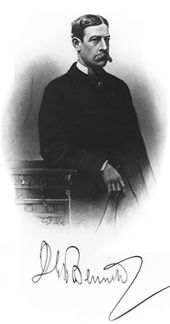
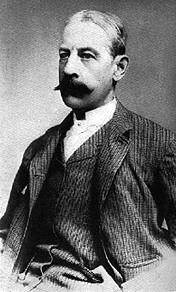
| >> The Man << James Gordon Bennett, Jr. May 10, 1841 – May 14, 1918 http://en.wikipedia.org/wiki/James_Gordon_Bennett_Jr http://www.gordonbennettroute.com/aboutbennett1.html |
| >> The Expression << Gordon Bennett! http://www.worldwidewords.org/articles/gordon.htm http://www.educationask.com/trivia/610-Trivia.html |

 |  |  |  |
| If you have a picture you'd like us to feature a picture in a future quiz, please email it to us at CFitzp@aol.com. If we use it, you will receive a free analysis of your picture. You will also receive a free Forensic Genealogy CD or a 10% discount towards the purchase of the Forensic Genealogy book. |


 |  |  |  |
| Answers: 1. James Gordon Bennett, Jr. 2. Polo |
| Click here to see results of 5th occasional photoquiz survey. |
| Answers to Quiz #215 - June 28, 2009 |
| ********** |
| ********** |


| If you enjoy our quizzes, don't forget to order our books! Click here. |

| Quiz #215 Results |
| Visit our blog at www.forensicgenealogy.info/blog. |
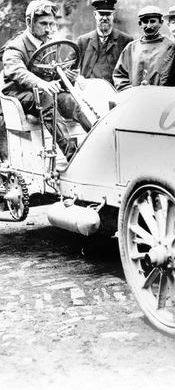
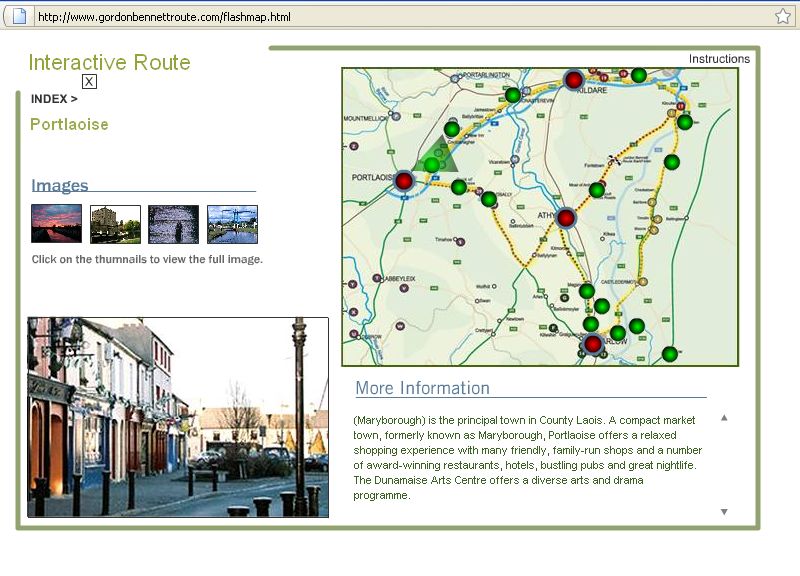
course with devastating effect. Jarrott’s spectacular exit occurred
as he barreled through the picturesque landscape by the Rock of
Dunamaise two miles outside Stradbally. The steering of Jarrott’s
thundering Napier failed suddenly as he descended a slope. The car
hit a bank and somersaulted off the course. Jarrott was thrown out
of the vehicle while his 17-year old mechanic, Bianchi, was
trapped underneath.The English men were presumed dead as
spectators arrived to the scene. White sheets were thrown over
them and their bodies were taken to a nearby shed. But the pair
were far from dead as Jarrott later recalled: “When I came to, I
wondered if I was dead. I tried to scratch away the blur before my
eyes and found it was a sheet”. Jarrott’s traveling companion
Bianchi also came around shortly after and both were further
restored to good health when a local priest prescribed a dose of
strong Irish whiskey in large measure. http://www.gordonbennettroute.com..
as he barreled through the picturesque landscape by the Rock of
Dunamaise two miles outside Stradbally. The steering of Jarrott’s
thundering Napier failed suddenly as he descended a slope. The car
hit a bank and somersaulted off the course. Jarrott was thrown out
of the vehicle while his 17-year old mechanic, Bianchi, was
trapped underneath.The English men were presumed dead as
spectators arrived to the scene. White sheets were thrown over
them and their bodies were taken to a nearby shed. But the pair
were far from dead as Jarrott later recalled: “When I came to, I
wondered if I was dead. I tried to scratch away the blur before my
eyes and found it was a sheet”. Jarrott’s traveling companion
Bianchi also came around shortly after and both were further
restored to good health when a local priest prescribed a dose of
strong Irish whiskey in large measure. http://www.gordonbennettroute.com..
Quite an interesting character! Anne Alves
*****
Reading this guys bio, I loved the part about how he expertly broke off the marriage to
the May woman. Seems this family was not a fun group to be with anyway!!
Rick Mackinney
*****
Interesting fellow. He certainly came up with a lot of imaginative ways to spend his
piles of money. Carolyn Cornelius
*****
Took some variations in googling, but finally up popped
<http://www.balloonfiesta.com/Gas/Races/gordonbennett_bio.php> with all the
answers. Gordon Bennett!!! Wheeee. Cari Thomas
*****
I found it interesting, but not surprising, given his reputation for outrageous behavior,
that he did not marry until age 73. Deborah Campisano
*****
Without the final hint, I am not sure if/how I would have found the answer. The final
hint immediately made me think of Stanley and Livingstone. From there it was just a
couple of google searches to find out who was responsible for the expedition to verify
my guess and find the answer to the second question. Albert Brashear
*****
Hello Colleen: I liked your butterfly poem; guess you have returned from fluttering
about in SB. This week: 4 clues, perhaps five = 45 strokes on computer keyboard :
googled united=kingdom balloon=race newspaper missionary for 9,920 results. The
7th result provided the contest answer and photo: 1. James Gordon Bennett (May 10,
1841 to May 14, 1918) 2. introduced the sport of polo to the United States.
Mike Dalton
*****
Did you also know that his name is famous here in Ireland with a Vintage Car Rally.
See www.gordonbennett.ie Alan Cullinan
*****
The British expression is "Gordon Bennett," a term of exasperation. I thought this one
was going to be easy, but as usual, there is always a little twist to it.
Dorothy Oksner
*****
Another good quiz! Had never heard the expression "Gordon Bennett" Nancy Lear
*****
Note: All these years when I was looking at my credit card statements, I should have
have been exclaiming "Gordon Bennett!". Quizmaster General
Me, too<g>. It certainly would have been more diplomatic than what I *usually*
said<g>. Seriously, though, like you, I had never before heard of this man, and I have
never heard any Englishman, in any movie, television show, or anywhere else, exclaim,
"Gordon Bennett!" I have an English correspondent, who came over to the colonies
about 20 years ago. The next time I correspond with him, I'll ask him about this, and
see if he - a true Englishman - knows about it. Bill Utterback
*****
I, also, had never heard of Gordon Bennett. My visit to England, last September, was
the first time. If anybody had uttered "Gordon Bennett!" I would not have known what
they were talking about. You are right about learning so much in trying to solve the
photo quiz. Even if one can readily identify the locale or person(s) in the picture, there
often are details that emerge when doing the search that provide new knowledge.
Thanks for all the weekly effort it takes to come up with photos and organize the
solutions. I enjoy your responses. Don Draper
*****
Reading this guys bio, I loved the part about how he expertly broke off the marriage to
the May woman. Seems this family was not a fun group to be with anyway!!
Rick Mackinney
*****
Interesting fellow. He certainly came up with a lot of imaginative ways to spend his
piles of money. Carolyn Cornelius
*****
Took some variations in googling, but finally up popped
<http://www.balloonfiesta.com/Gas/Races/gordonbennett_bio.php> with all the
answers. Gordon Bennett!!! Wheeee. Cari Thomas
*****
I found it interesting, but not surprising, given his reputation for outrageous behavior,
that he did not marry until age 73. Deborah Campisano
*****
Without the final hint, I am not sure if/how I would have found the answer. The final
hint immediately made me think of Stanley and Livingstone. From there it was just a
couple of google searches to find out who was responsible for the expedition to verify
my guess and find the answer to the second question. Albert Brashear
*****
Hello Colleen: I liked your butterfly poem; guess you have returned from fluttering
about in SB. This week: 4 clues, perhaps five = 45 strokes on computer keyboard :
googled united=kingdom balloon=race newspaper missionary for 9,920 results. The
7th result provided the contest answer and photo: 1. James Gordon Bennett (May 10,
1841 to May 14, 1918) 2. introduced the sport of polo to the United States.
Mike Dalton
*****
Did you also know that his name is famous here in Ireland with a Vintage Car Rally.
See www.gordonbennett.ie Alan Cullinan
*****
The British expression is "Gordon Bennett," a term of exasperation. I thought this one
was going to be easy, but as usual, there is always a little twist to it.
Dorothy Oksner
*****
Another good quiz! Had never heard the expression "Gordon Bennett" Nancy Lear
*****
Note: All these years when I was looking at my credit card statements, I should have
have been exclaiming "Gordon Bennett!". Quizmaster General
Me, too<g>. It certainly would have been more diplomatic than what I *usually*
said<g>. Seriously, though, like you, I had never before heard of this man, and I have
never heard any Englishman, in any movie, television show, or anywhere else, exclaim,
"Gordon Bennett!" I have an English correspondent, who came over to the colonies
about 20 years ago. The next time I correspond with him, I'll ask him about this, and
see if he - a true Englishman - knows about it. Bill Utterback
*****
I, also, had never heard of Gordon Bennett. My visit to England, last September, was
the first time. If anybody had uttered "Gordon Bennett!" I would not have known what
they were talking about. You are right about learning so much in trying to solve the
photo quiz. Even if one can readily identify the locale or person(s) in the picture, there
often are details that emerge when doing the search that provide new knowledge.
Thanks for all the weekly effort it takes to come up with photos and organize the
solutions. I enjoy your responses. Don Draper
| WE ARE OFF TO AFRICA TODAY James Gordon Bennett Jr., Newspaper Publisher and Sportsman. Created many headlines for his New York Herald paper. His interest in boating, ballooning and other exciting sports, Generated many paper headlines by exploiting each caper. Hiring Henry Morton Stanley to head an exciting search, For a Dr. David Livingstone in Africa’s uncharted land. Detailed reports were sent during the difficult journey. Presumably found, by the shake of the Doctor’s hand. Robert Edward McKenna Quiz Poet Laureate ********** |
| ********** |
| Comments from Our Readers |
| Congratulations to Our Winners! Sandy Forest Anne Alves Paul Swanson Carolyn Cornelius Don Draper Ione Jolly Cari Thomas Teresa Yu Margaret Waterman Carl Blessing Shirley Ferguson Charles Coats Sharon Martin Brian Kemp Robert W. Steinmann Jr. Albert Brashear Karen Kay Bunting Robin Depietro Wayne Douglas Mike Dalton Milene Rawlinson Janice Sellars Maureen O'Connor Karen Petrus Judy Pfaff Jim Baker Mary South Alan Cullinan Dorothy Oksner Delores Martin Betty Chambers Joshua Kreitzer Stan Read John Chulick Jim Kiser Gary Sterne Elaine C. Hebert Sandy McConathy Bill Utterback Mike Swierczewski Dennis Brann Patrick Carney Norm Smith Nancy Lear Diane Burkett Alan Lemm Fred Stuart Linda Templar Alexander Tamura Jones Michael J. Pastor Pamela Hoffman Beth Long Mike Vanlandingham Cindy Tarsi Linda Bates Gina Hudson Evan Hindman Jocelyn Thayer Robert Edward McKenna, QPL |
| ********** |
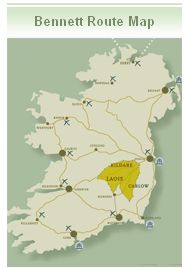
centred on Athy and incorporating Maryborough (now Portlaoise), Kildare and Carlow.
The course quickly met the approval of the Gordon Bennett Cup Committee. Its long,
leafy stretches and picturesque hilly climbs through some of Ireland’s most beautiful
open countryside made this a course to rival any existing on the continent.
Like all great race circuits the twists, turns and sweeping slopes of the 1903 Irish
Gordon Bennett Cup course provided plenty of thrills, spills and, at one stage, the
presumed death for the occupants of one of the competing cars.
Battling to keep his English team in the race Charles Jarrott literally flew off the Irish
The course quickly met the approval of the Gordon Bennett Cup Committee. Its long,
leafy stretches and picturesque hilly climbs through some of Ireland’s most beautiful
open countryside made this a course to rival any existing on the continent.
Like all great race circuits the twists, turns and sweeping slopes of the 1903 Irish
Gordon Bennett Cup course provided plenty of thrills, spills and, at one stage, the
presumed death for the occupants of one of the competing cars.
Battling to keep his English team in the race Charles Jarrott literally flew off the Irish
| 1. Who am I? 2. What sport did I introduce to the United States? |
The man who plotted the famous 1903
Gordon Bennett Cup route was a dashing
count who never lived to see his circuit
used. Tragically, Count Eliot Zborowski,
an elegant aristocrat of Polish decent died
behind the wheel of his racing car just
weeks before the race. His cufflinks
jamming the throttle of his new 60hp
Mercedes while racing at the 1903 Nice
Speed Week.
Having searched Ireland for a suitable
course location, Zborowski chose a circuit
Gordon Bennett Cup route was a dashing
count who never lived to see his circuit
used. Tragically, Count Eliot Zborowski,
an elegant aristocrat of Polish decent died
behind the wheel of his racing car just
weeks before the race. His cufflinks
jamming the throttle of his new 60hp
Mercedes while racing at the 1903 Nice
Speed Week.
Having searched Ireland for a suitable
course location, Zborowski chose a circuit
| Open map in pdf format. |
This notoriety forced him to relocate in Europe and it
was in Paris that James Gordon Bennett developed
an all-consuming passion for the newly emerging
technology of the motorcar. In 1900 he sponsored
the first-ever international motoring competition, the
spectacular Gordon Bennett Cup Race which was
held in Ireland on July 2nd 1903. A precursor to
modern Grand Prix motor racing today, the Irish
Gordon Bennett Cup Race was the first ever
international race held on a closed circuit.
“With the institution of a challenge cup,
manufacturers would have to fight to uphold their
reputation…” Gordon Bennett
The man who plotted the famous 1903 Gordon
was in Paris that James Gordon Bennett developed
an all-consuming passion for the newly emerging
technology of the motorcar. In 1900 he sponsored
the first-ever international motoring competition, the
spectacular Gordon Bennett Cup Race which was
held in Ireland on July 2nd 1903. A precursor to
modern Grand Prix motor racing today, the Irish
Gordon Bennett Cup Race was the first ever
international race held on a closed circuit.
“With the institution of a challenge cup,
manufacturers would have to fight to uphold their
reputation…” Gordon Bennett
The man who plotted the famous 1903 Gordon
| Thanks to long-time Quizmaster Marilyn Hamill for submitting the idea for this quiz. |
| My name has become an expression of incredulous disbelief, common in the United Kingdom. I have a famous balloon race named after me. I was the publisher of a major newspaper that was founded by my father. I financed a trip to find a long lost missionary. |
| ********** |


| ||||||||||||||||||||||||||||||||||||||||||||||||||||||||||||||||||||||||||||||||||||||||||||||||